Why preparation beats paint: the difference between a finish that lasts and one that fails
Looking for a painter and decorator in Kent? We explain why prep work decides every finish, and what to expect when you book BR Painting & Decorating.

The finish starts long before the first coat goes on
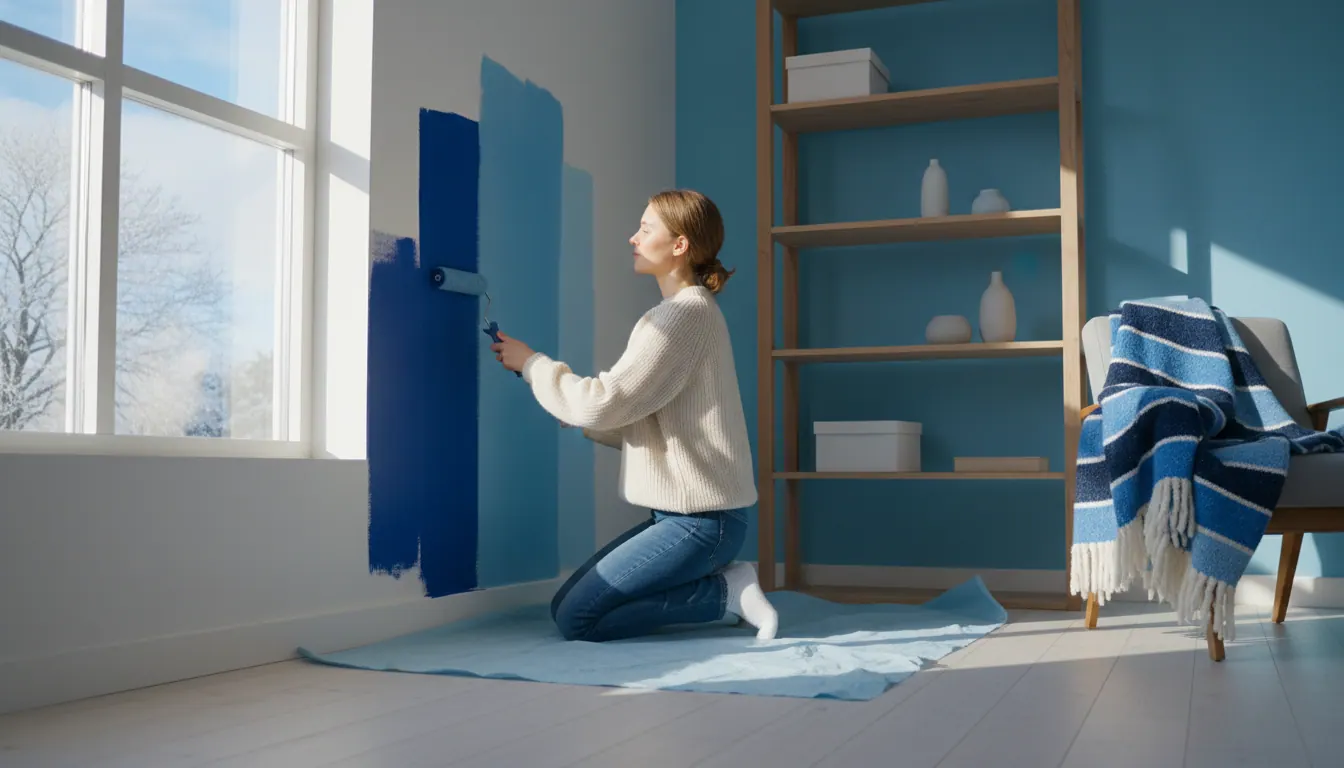
Most people judge a decorator by the colour on the wall. The truth is, by the time you can see the colour, the hard work is already done. Every lasting finish, whether it is a smooth eggshell on a hallway wall or a crisp gloss on a Victorian door frame, is built on preparation. That is the part that takes time, and it is the part that separates a finish that looks good for a week from one that looks good for years.
We work across Kent as painters and decorators, covering both domestic and commercial properties. Period houses, new builds, rental flats, commercial spaces. Every job is different, but the principle is the same: get the surface right first.
What preparation actually means in practice
"Prep" is one of those words that gets used a lot and explained rarely. Here is what it actually involves on a typical interior job:
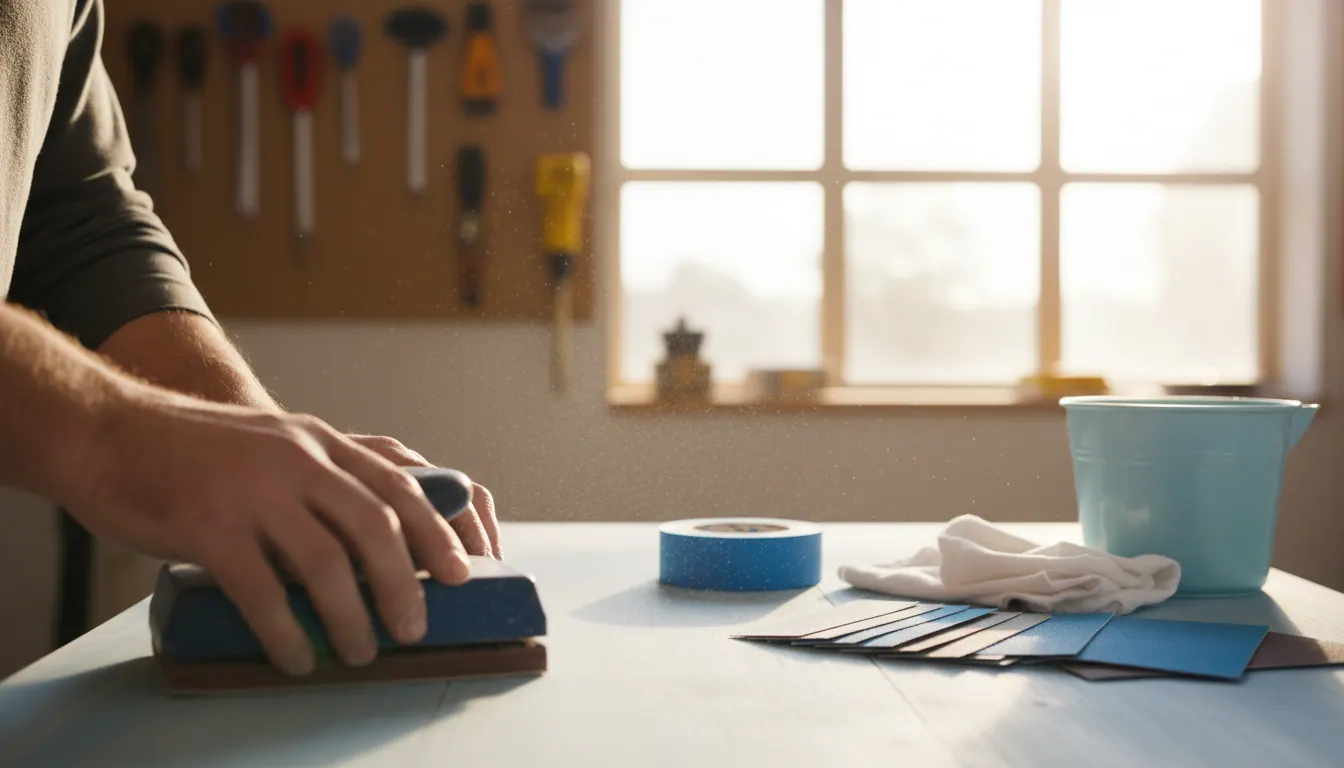
- Filling and sanding. Hairline cracks, old screw holes, dents in plasterboard. Every imperfection catches raking light once the paint goes on. We fill, let it dry fully, then sand back until it is flush.
- Cleaning surfaces. Grease, dust and old residue all prevent paint from bonding. Kitchens and hallways are the worst offenders. A wipe-down is not enough; the surface needs to be genuinely clean.
- Priming bare or patchy areas. If a wall has been filled in several spots, those patches will absorb topcoat differently to the surrounding area. A spot prime levels out the porosity so the finish coat looks uniform.
- Masking and protecting. Floors, carpets, furniture. We take time at the start so we are not spending time cleaning up at the end.
None of this is glamorous. It is also non-negotiable.
Why old gloss yellows, and what we do about it
If you have a period property in Kent, you have probably noticed that old oil-based gloss on doors and skirting boards goes yellow over time, particularly in rooms with little natural light. This is not a fault with the original paint; it is simply how solvent-based alkyds age.
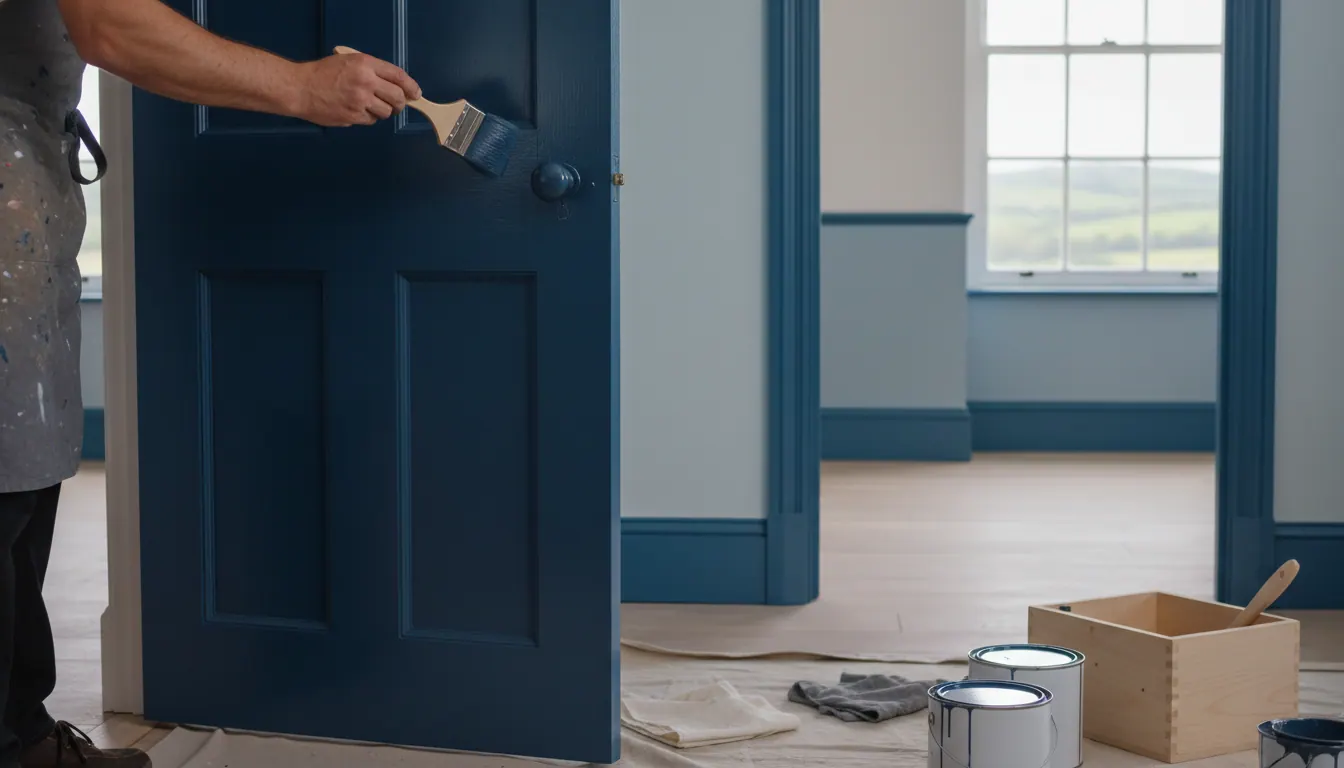
The fix is not just painting over it. Painting over yellowed oil gloss with a water-based product without proper preparation will often lead to adhesion problems. The surface needs to be degreased, abraded and primed correctly before the new coat goes on. We use water-based satinwood and eggshell finishes on woodwork where the brief calls for it. They resist yellowing, dry faster and have come a long way in terms of durability. But they still need the right surface underneath them.
For doors, skirting, architrave and stair spindles, the preparation is arguably more demanding than for walls. Woodwork shows every brush mark and every run. We work methodically, cutting in cleanly and keeping a wet edge.
Exterior painting in Kent: what the weather actually means for the job
Kent's climate is not extreme, but it is variable. Exterior painting requires dry conditions, not just on the day but in the days before and after. Paint applied to damp masonry or timber will not cure properly, and the consequences show up months later as peeling or bubbling.
For rendered walls and masonry, we use breathable masonry coatings that allow moisture vapour to pass through rather than trapping it. For weatherboard, the laps matter. Paint that bridges the laps without getting into them will lift at the edges. We work the paint into the laps before finishing the face, which takes longer but produces a result that lasts.
Soffits, fascias and exterior timber frames are often overlooked until they start to look tired. By that point, the wood may have started to deteriorate. If timber is rotten, that is a job for a carpenter before we can paint it. We will always say so plainly rather than paint over a problem.
The best windows for exterior work across Kent are typically spring and early autumn, when temperatures are mild and you are more likely to get a run of dry days. That said, we can often plan around the forecast even in winter for sheltered areas.
Wallpapering: why the wall behind the paper matters
Hanging wallpaper looks straightforward. It is not. The most common reason wallpaper fails, peeling at the seams or bubbling in the middle, is the wall behind it.
New plaster needs to be fully dry and sealed before paper goes on. Bare plaster is porous and will pull the paste out of the paper before it has a chance to bond. We use a diluted size coat first, which closes the surface and gives the paste something to grip. Old walls that have been stripped back may have residue from previous paste or lining paper. That needs to come off properly.
Feature walls are popular across Kent right now, and the range of papers available is genuinely impressive. Bold botanicals, geometric patterns, textured grasscloths. The pattern repeat on a large-scale design needs to be planned before a single drop goes up. Getting that wrong wastes paper and creates visible mismatches.
For plain walls, lining paper hung horizontally before the topcoat or decorative paper makes a real difference to the final finish, particularly on older walls that are not perfectly smooth.
What our customers notice
The thing people tend to comment on after we finish a job is not always the colour. It is the tidiness of the lines, the way the woodwork meets the wall, the fact that the room was left clean.
Jazmyn, one of our customers, put it well:
"bill came and done a job for my grandad who is very particular with how things are done being once in the trade himself but too old to do it himself now. bill was very kind and polite towards my grandad and would definitely use him again thanks bill brilliant job done"
That kind of job, working in someone's home, around someone who has high standards and real knowledge of the trade, is one we take seriously. It is not just about the paint. It is about how you conduct yourself in someone else's space.
Commercial and rental properties: a different set of priorities
Landlords and letting agents across Kent need decorating done to a consistent standard, quickly and without disruption. We work on rental properties between tenancies, communal areas in blocks of flats, and commercial spaces including offices and retail units.
The brief on a rental turnaround is usually straightforward: neutral tones, durable finishes, clean woodwork. We use paints with good washability in high-traffic areas, and we work to a realistic schedule so the property is ready when it needs to be.
Commercial decorating requires a bit more planning around access and occupancy. We are used to working outside normal hours where the job requires it.
Frequently asked questions
What is the difference between a painter and a decorator?
In practice, most people use the terms interchangeably, and most tradespeople who describe themselves as painters and decorators do both. Strictly speaking, a painter applies paint coatings to surfaces. A decorator covers a broader range of finishing work including wallpapering, feature walls and specialist paint effects. We do all of it.
How long does it take to paint a three-bedroom house?
It depends on the condition of the surfaces, the number of coats required, whether woodwork is included and how much preparation is needed. A three-bedroom house in reasonable condition, painted throughout including woodwork, typically takes the best part of one to two weeks. Period properties or those with extensive preparation needs will take longer. We would rather give you an honest timescale than rush the job.
What is the best time of year to book exterior painting in Kent?
Spring and early autumn tend to be the most reliable for exterior work, giving you a better chance of a run of dry days with mild temperatures. That said, there is rarely a perfect window. We plan around the forecast as much as possible. Interior work can be booked year-round, and winter is often a quieter period with more availability.
Do you need to move out while decorating is being done?
For most interior jobs, no. We work room by room where possible, keep dust and disruption to a minimum, and leave each area tidy at the end of each day. For larger whole-house projects, it is worth having a conversation about the most practical sequence.
Ready to talk about your project?
If you have a room that needs freshening up, a whole house to redecorate before the furniture arrives, or a commercial property that needs a reliable finish, we would be glad to hear from you. We offer free quotes with no obligation, and we are happy to talk through what the job involves before you commit to anything.
Get in touch with us and we will take it from there.